

“Prime Minister Giorgia Meloni’s statements on Italy’s bid for Porto Marghera to host one of Europe’s first strategic sites for critical raw materials confirm the importance of a project in which the Veneto Region intends to invest with determination. This initiative could become a European pilot project and represents a highly valuable opportunity for our region and the national production system.”
This is what the President of the Veneto Region, Alberto Stefani, said, commenting on Prime Minister Meloni’s remarks ahead of the European Council and the prospect of including Porto Marghera among the European strategic hubs for critical raw materials.
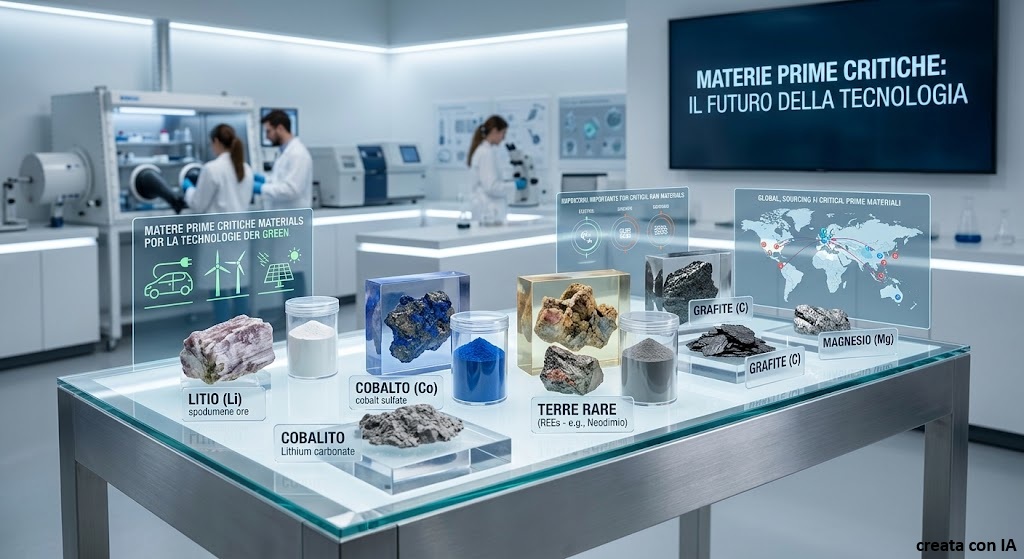
“Lithium, cobalt, graphite and rare earths,” continues Stefani, “are essential for the energy transition, digitalisation, advanced electronics and the defence industry. We cannot let competitiveness and supply-chain security depend almost entirely on imports, often concentrated in a few countries. Diversifying supply sources and developing European capabilities for management, processing, recycling and production is an industrial, economic and strategic necessity.”
“We want to help build a more secure and resilient supply chain, capable of linking supply, strategic stockpiling, industrial activities, research and innovation. The aim is to turn a bid into a concrete opportunity for development, investment and employment,” he added.
According to the President, Porto Marghera’s industrial history, logistical infrastructure and expertise can be a key strength in the European strategy on critical raw materials. The Veneto region can contribute to new strategic supply chains by linking production systems, research centres, port infrastructure, and institutional stakeholders.
This approach is part of the European Critical Raw Materials Act, which aims to strengthen supply security and increase extraction, processing, and recycling capacity in the EU.
“We would like to thank the Government and President Meloni for the attention they have given to this issue. The Region is ready to play its part, in collaboration with the Government, the European institutions and the economic and scientific communities. Europe’s competitiveness is also safeguarded by resuming production, innovating and investing within its own territory. Porto Marghera can help strengthen Veneto’s role as a strategic industrial hub for Italy and Europe,” Stefani concluded.
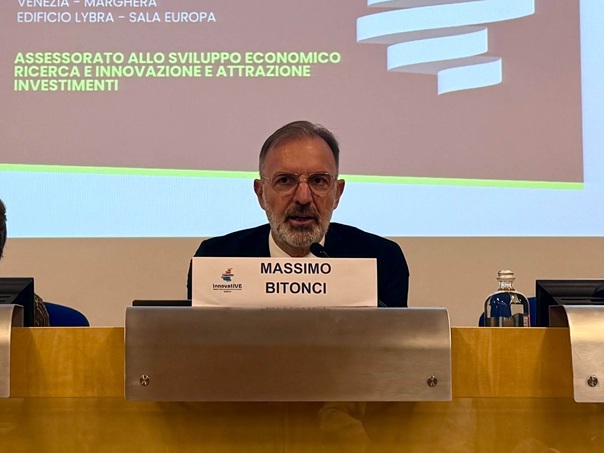
Also Massimo Bitonci, the Veneto Regional Councillor for Economic Development, commented on today’s statements by Prime Minister Giorgia Meloni ahead of the forthcoming European Council: “Europe must return to manufacturing, strengthen its industrial supply chains and reduce its dependence on foreign sources for strategic raw materials. It is a matter of economic autonomy, competitiveness and security. The Veneto region, with Porto Marghera’s bid to become a hub for critical raw materials, can make a concrete contribution to this challenge by providing an industrial heritage, infrastructure and expertise that represent an asset for the whole country.”
“From cobalt to graphite and rare earths, critical raw materials are essential for manufacturing, the energy transition and the digital transition. Today, Europe still relies heavily on foreign supplies, often concentrated in a few countries. This is why we need to develop processing, transformation and recovery capabilities directly within Europe, creating more secure supply chains and new opportunities for businesses,” Bitonci said.
“For the Veneto region, this initiative has a specific significance: strengthening its manufacturing base, attracting new investment and making the most of the industrial expertise available in the region. Porto Marghera boasts a strategic location, strong logistical links and a manufacturing history that can become a key asset in building the new European system for critical raw materials. The Region is ready to work with the Government to ensure this bid translates into concrete opportunities for Veneto’s economy, new production facilities and skilled employment. The industrial transition must also serve as a development policy for our regions,” Bitonci concluded.